June 6, 20264 min read
How to Turn WhatsApp Voice Notes Into Text and Tasks
Export a WhatsApp voice note, transcribe it, and pull out the tasks inside. A faster way to deal with long voice messages in Arabic and English.
Read article
Read our latest articles and insights.
Export a WhatsApp voice note, transcribe it, and pull out the tasks inside. A faster way to deal with long voice messages in Arabic and English.
Record once and get a transcript, a summary, and action items, even when the conversation switches between Arabic and English.
Record the lecture, get a clean transcript and a study summary, and stop trying to write and listen at the same time.
How content creators use voice recordings to draft blog posts, social media content, and newsletters faster than typing.
Mic quality, background noise, speaking speed, accent, which factors matter most for getting accurate transcriptions, ranked by impact.
A plain-language guide to audio formats, which ones are best for recording, sharing, and transcription, and when format actually matters.
Why talking through your thoughts and reading them back is a powerful habit, and how to set up a voice journaling workflow.
A snapshot of where Arabic natural language processing stands today, breakthroughs, remaining gaps, and what to expect next.
How journalists can save hours on interview transcription, recording setup, speaker identification, and editing workflows.
A practical guide for students who record lectures, how to get clean transcripts, search them, and study smarter.
What really happens to your voice data when you use transcription services, storage, encryption, and what to look for before you upload.
The linguistics behind mixing Arabic and English mid-sentence, why it happens, how it affects speech recognition, and what it means for AI.
How to capture, organize, and retrieve your ideas using voice recordings, a practical system for thinkers and creators.
How to structure meeting recordings for automatic transcription, workflows, templates, and tips for teams that run on meetings.

Simple techniques to dramatically improve your phone recordings, mic placement, noise reduction, and app settings that actually matter.

Understand the journey from sound waves to text, how AI listens, interprets accents, and turns your voice into accurate transcriptions.

Why standard Arabic models fail on real speech, and how dialect-aware transcription handles Egyptian, Gulf, Levantine, and more.
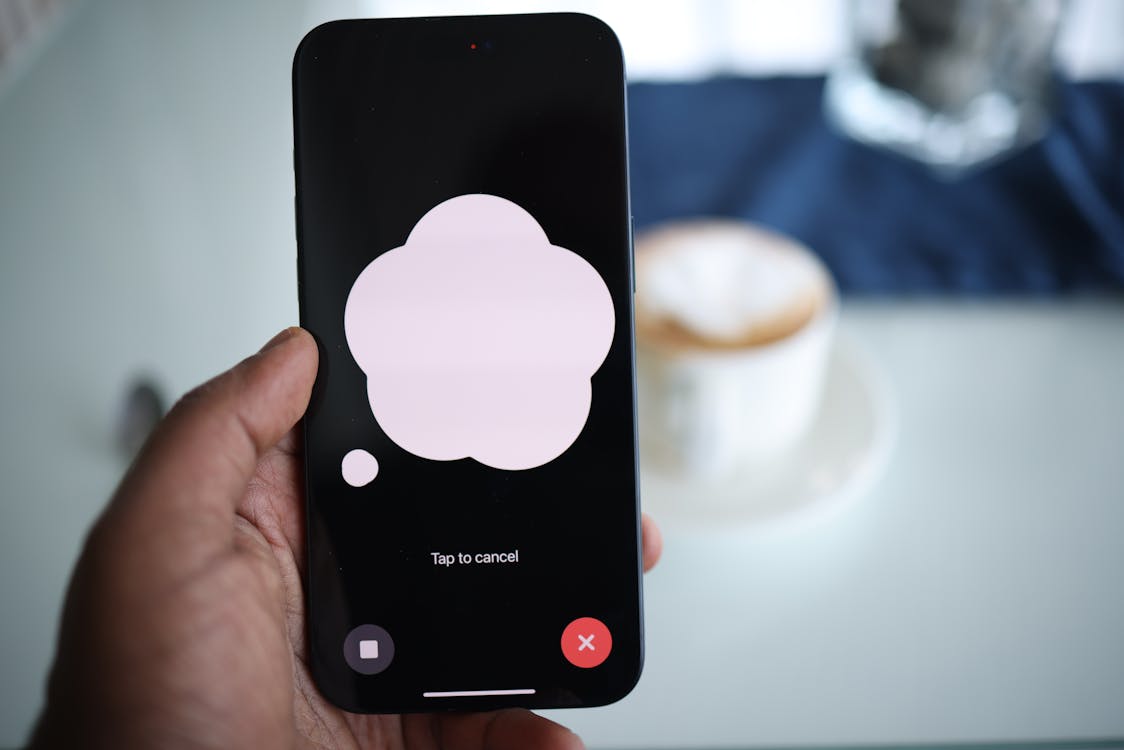
Diglossia, code-switching, and missing diacritics, the unique challenges of Arabic speech recognition and how the field is evolving.

Practical tips for turning voice memos into clean text, recording techniques, workflow ideas, and organizing your transcriptions.

A practical tutorial on using OpenAI Whisper for Arabic audio transcription, setup, code examples, and tips for better accuracy.

Build a speech-to-text script in Python using Google Speech API and Whisper, with code examples and Arabic language tips.
Compare the top STT APIs for Arabic, Google Cloud, Azure, AWS, Whisper, and more. Pricing, accuracy, and dialect support.

The easiest ways to convert audio files to text online, for students, journalists, and professionals. No technical skills needed.